

Our Perspective on Responsible Packaging
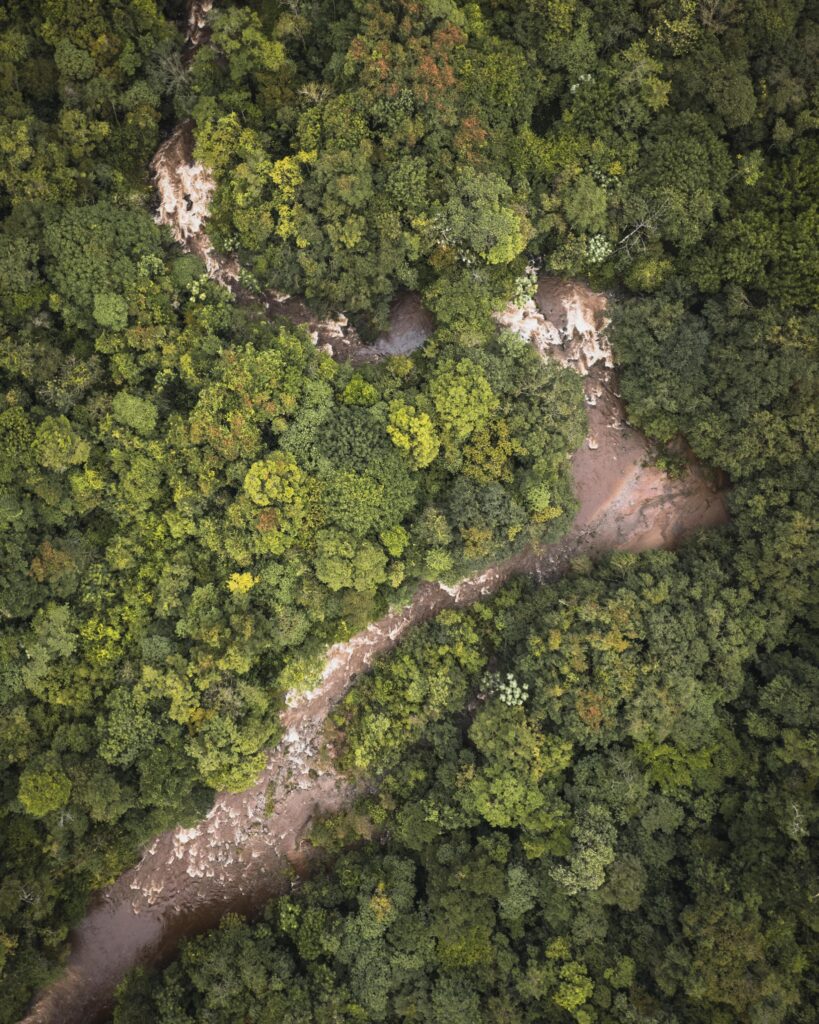
Deforestation and plastic waste both present serious environmental challenges, but their impacts on our planet occur in different ways. Forest destruction contributes significantly to climate change by releasing stored carbon while simultaneously removing trees that would otherwise continue absorbing CO₂ from the atmosphere.
- The Amazon is under increasing pressure. Approximately 15–17% of the Amazon rainforest has already been lost, with additional areas experiencing degradation. Continued deforestation, drought, rising temperatures, and wildfires threaten the forest’s ability to recover.
- Deforestation creates a double impact. Clearing forests not only releases stored carbon but also eliminates an important natural carbon sink. Large-scale forest loss can further disrupt water cycles, increase regional temperatures, and contribute to drought.
- Alternatives have limitations, too. PLA and other plant-based plastics are often described as compostable, but they typically require specialized industrial composting conditions of around 55–60°C (131–140°F) to properly break down. Without the appropriate infrastructure, these materials may still be landfilled or incinerated.
Plastic also has an environmental impact. Conventional plastic production relies heavily on fossil fuels, while improperly managed waste can remain in the environment and contribute to microplastic pollution. Recyclable plastics, however, can be collected and reprocessed where appropriate recycling systems are available, allowing materials to remain in use rather than immediately becoming waste.
Our Approach
Certified


Our Business Partners
Our business partners span the globe, from Germany and Australia to Japan and China.
These collaborations allow us to combine expertise, technology, and innovation to deliver high-quality packaging solutions. By working closely with trusted international partners, we ensure reliability, sustainable practices, and the ability to meet the unique needs of every client we serve.
